This article describes the process of getting the green light to produce a cartoon animated series from scratch. I am leaving out the details of raising funds for the project as that is an entire book by itself, but nevertheless this should give you a good idea of what it takes for a cartoon series to get produced.
1. Decide on a theme and the foundation of your cartoon series
2. Think of the different characters that would make up your cartoon series
3. Engage a good cartoon scriptwriter to develop a pilot script and a set of synopsis based on your theme and idea. You would also want him to describe your characters in detail and breathe life into them. An experienced writer would know exactly what broadcasters are looking for and deliver an ace. 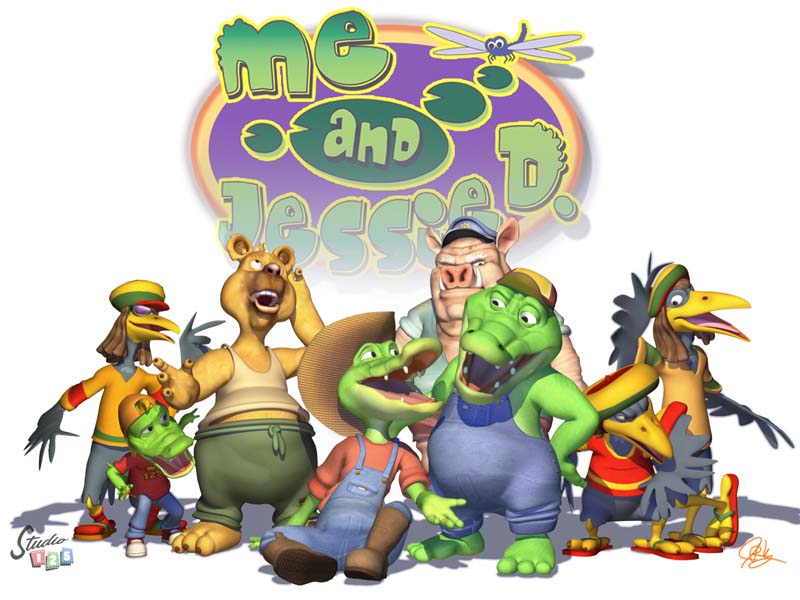 I won't advise you to do this yourself unless you are an experienced writer. I also would not recommend you to get a scriptwriter who writes for TV dramas as the genre is quite different.
4. Get a good design or animation house to design a set of characters for your cartoon series. Make sure that these characters are cute, unique, likeable and merchandisable - meaning that people would find them so cute that they want to make them into products! Alternatively, you can also go the edgy way, in which case the characters can look so cool that people just want to have them.
5. Compile the pilot script, synopsis, character designs, prop designs and various illustrations and you will have yourself what is called a character bible.
 6. With a character bible, you can approach an animation house and ask them to produce a teaser or a pilot episode based on the series. A teaser is a 3-5 minute short of example how the cartoon series would likely run. A pilot episode is basically a sample episode from the series. For the pilot, never pick the first episode. Pick a middle episode because that will be more representative of how the cartoon series would usually look like. It would be better to engage an animation house who has done this before and make sure they explain their procedure to you.
7. From here, you can take two routes. The first route would be to approach a distribution company. The teaser or pilot would allow a distribution company to assess where they could sell your show and how marketable it is. They could gauge how confident they are in selling your show and if they want to distribute your show. If they do decide they want to represent your cartoon, they would provide a distribution plan and revenue projection. You should not sign any contract at this point because you can't guarantee production of the show yet. You should instead ask for a letter of interest from the distributor. With this letter of interest you can approach investors to show them that a distributor would take your show. It would help a lot if the distributor is well-known and reputable of course. This is an indication from an industry expert that your show is marketable. With investors on board you can approach an animation company to ask them to produce your show.
 8. The second route you can take is to go to an animation company or a TV station to ask them if they would be interested to produce your show. If your concept is really good and they are in need of a show like yours, they might just decide to take on your concept and develop it. You could then negotiate for a royalty for the use of your concept, or even to be a producer or executive producer onboard the production team. This is all negotiable. It is also entirely possible for you to approach an animation company or TV station with just your character bible without your teaser, or even without a full bible. It has happened before, but the success rate declines dramatically with the lack of each marketing tool.